220 Horizon Dr #212
Raleigh, NC 27615
Tel: (919) 518-2644
Fax: (919) 518-2634


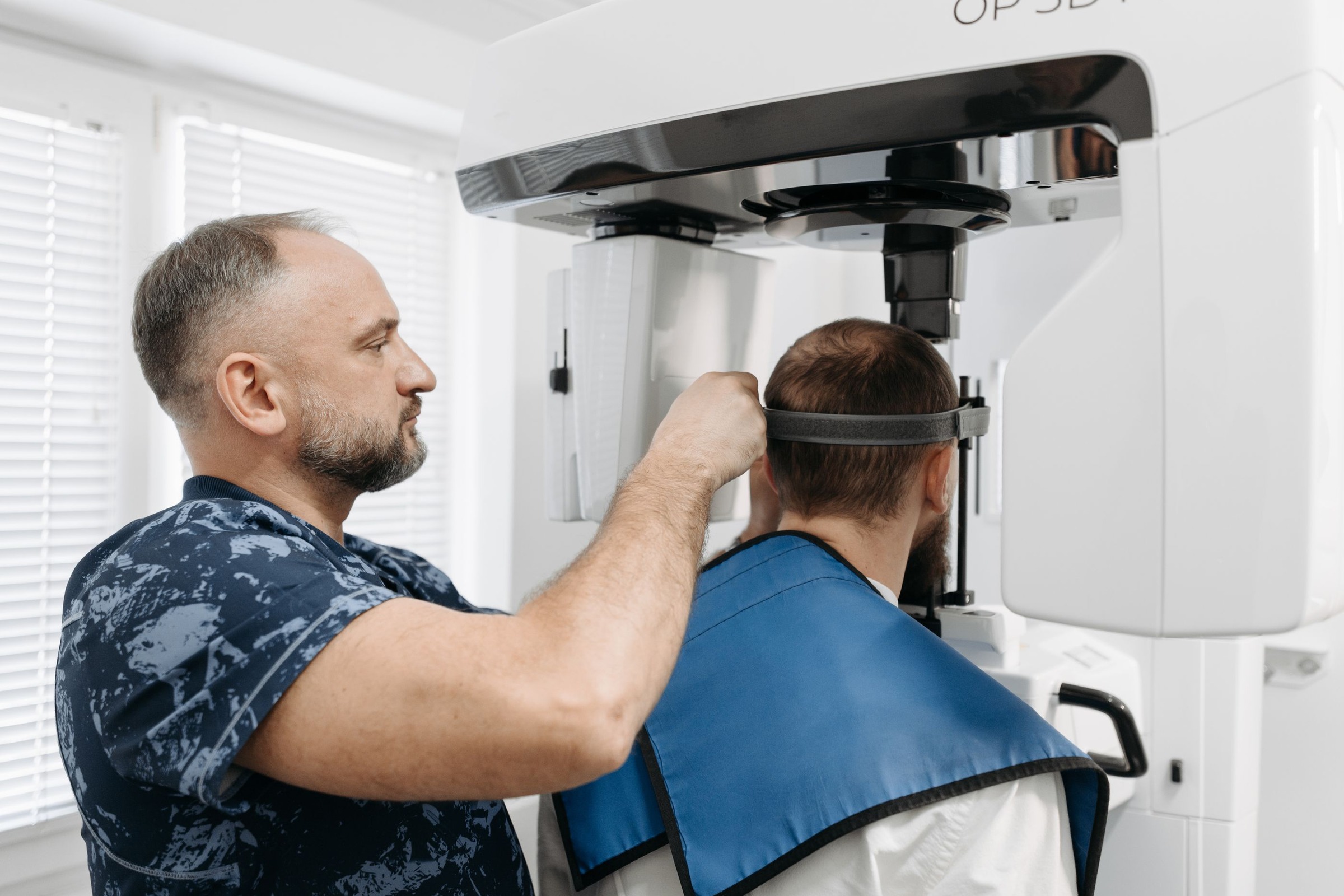
Two bills, at least. Jaw surgery doesn’t come with one price because you’re paying two separate teams: I handle the orthodontic side at my Raleigh office, and an oral and maxillofacial surgeon handles the operation and the hospital. Each sets its own fee, and medical insurance often treats the surgery very differently from the braces. What I can do is show you what drives each part, so the numbers make sense when they land on your kitchen table.
Not the dental plan. The medical one. The question to ask is whether it covers orthognathic surgery. Plenty of medical insurers will consider it when the jaw problem affects chewing, breathing, speech or the joint, though they usually want documentation first, meaning x-rays, photos, measurements and a letter explaining why the operation is needed. My dental insurance coordinator can help with the orthodontic benefit, and the surgeon’s office normally handles the medical side. Approval can take weeks. Starting that conversation early with both offices saves a lot of waiting later.
Braces, before and after the operation. Before surgery, I line up each arch so the teeth will fit together once the jaws are moved, and fair warning, that can make your bite look worse for a stretch. It’s supposed to. After surgery, I fine-tune the bite and place retainers. My fee depends on how long all of that takes, how crowded or tipped the teeth are, and whether any extractions are needed. A short presurgical phase costs less than a long one.
That fee depends on whether one jaw moves or both, whether the chin is involved, which hospital or surgical centre is used, the anesthesia, and how many nights you stay. Cleveland Clinic’s overview of jaw surgery walks through the common procedures and the recovery, and it’s good reading before the surgical consult. Most surgeons’ offices will give you an itemized estimate if you ask for one.
Want to know whether your bite is surgical at all? Start with a free orthodontic consult. Call (919) 518-2644 or request a free consultation online.
This short tool runs through the factors that push a case up or down, with no dollar figures, so you can walk into the consult with sharper questions.
Being told the word surgery once, years ago, doesn’t mean you need it now. For a mild or moderate mismatch in an adult, I can sometimes move the teeth to disguise the jaw difference, which orthodontists call camouflage. It won’t change your profile the way surgery can, and it has real limits. It also costs less and skips the operating room. Teens who are still growing are a different case, since early guidance may reduce how much surgery is needed later. There’s more on our jaw alignment post. Whichever group you’re in, I’ll tell you plainly.
Time off work. People underestimate it. Most need a week or two at home after surgery and a soft-food diet for a while longer, plus follow-up visits at both offices and retainers at the end. Anyone with an HSA or FSA may find help there; the IRS lists medical and dental care, orthodontia included, in Publication 502, which may cover part of what insurance doesn’t. With FSA money, timing around your plan year can matter.
About a year of braces before surgery. A few weeks of recovery. Several more months of braces after. Every case differs, but that general shape helps when you’re budgeting across more than one plan year.
For most of my surgical patients, coordination is harder than cost. I take records and build a plan, then share it with the surgeon so we agree on where each jaw needs to end up. When the teeth are ready, the surgeon’s office schedules the operation and works through the medical insurance paperwork, and my team handles the orthodontic side. After surgery you’ll see the surgeon for healing checks and me for bite adjustments.
Separate billing means two financial agreements. Picture someone assuming the surgeon’s fee covers the post-surgery retainers, or that my fee covers the hospital imaging. It happens easily. Keeping both agreements in one folder, and asking each office exactly what’s included, heads that off.
Surgeons generally prefer to operate after jaw growth has finished, so a fifteen-year-old might start with braces or early guidance and come back to the surgery question a few years later. That stretches the timeline and can spread the cost across several plan years.
Jaw joint pain changes things too. Clicking, locking or soreness should be mentioned to both offices. The National Institute of Dental and Craniofacial Research notes that many joint problems settle down with conservative care, and I’d want that sorted out before planning anything surgical, because it can change both the plan and what insurance will consider.
Your dental and medical insurance cards, any older x-rays, and a written list of symptoms such as trouble chewing, snoring or jaw pain. Notes from your dentist help as well.
One more thing. If a sleep study has ever been done, or a doctor has mentioned snoring or breathing concerns at night, bring that report too, since insurers sometimes ask about it when they weigh whether surgery is medically necessary.
I’m Dr. Clay VanderWall, an orthodontist with offices in Raleigh, Durham and Cary. I completed my orthodontic training at Albert Einstein Medical Center in Philadelphia, a three-year hospital-based residency where surgical orthodontic cases are part of the program. I earned my DDS with honors from the University of Detroit Mercy and served on active duty in the U.S. Navy as a dentist. More is on my bio page.
Ready to talk through your options? Book a free consult in Raleigh. Call (919) 518-2644 or request a free consultation online.
Usually not the surgery itself. Dental plans may help with the braces, while medical insurance normally covers the operation if it’s approved as medically necessary.
I’ll give you the orthodontic fee in writing after your consult, and the surgeon’s office provides its own estimate after your surgical consult.
Insurers sometimes see it that way when there’s no functional problem. That’s why paperwork showing how your bite affects chewing or breathing matters so much.
In most cases you can. My team sets up a schedule after your consult, and our insurance and finances page explains how it works.
Most people take one to two weeks away from a desk job, longer for physical work. Your surgeon will give a firmer estimate based on which jaw is moved.
My Raleigh office is at 220 Horizon Drive, Suite 212. Your first orthodontic visit is free, and I’ll tell you whether your case looks surgical, what my part involves, and what to ask the surgeon.
Book your free consult with VanderWall Orthodontics in Raleigh. Call (919) 518-2644 or request a free consultation online.
Visit VanderWall Orthodontics in Raleigh
220 Horizon Dr #212, Raleigh, NC 27615
Phone: (919) 518-2644
Office hours

220 Horizon Dr #212
Raleigh, NC 27615
Tel: (919) 518-2644
Fax: (919) 518-2634
3518 Westgate Dr #405
Durham, NC 27707
Tel: (919) 403-0790
Fax: (919) 490-6665
1815 Kildaire Farm Rd #C
Cary, NC 27518
Tel: (919) 852-0009
Fax: (919) 518-2634