220 Horizon Dr #212
Raleigh, NC 27615
Tel: (919) 518-2644
Fax: (919) 518-2634


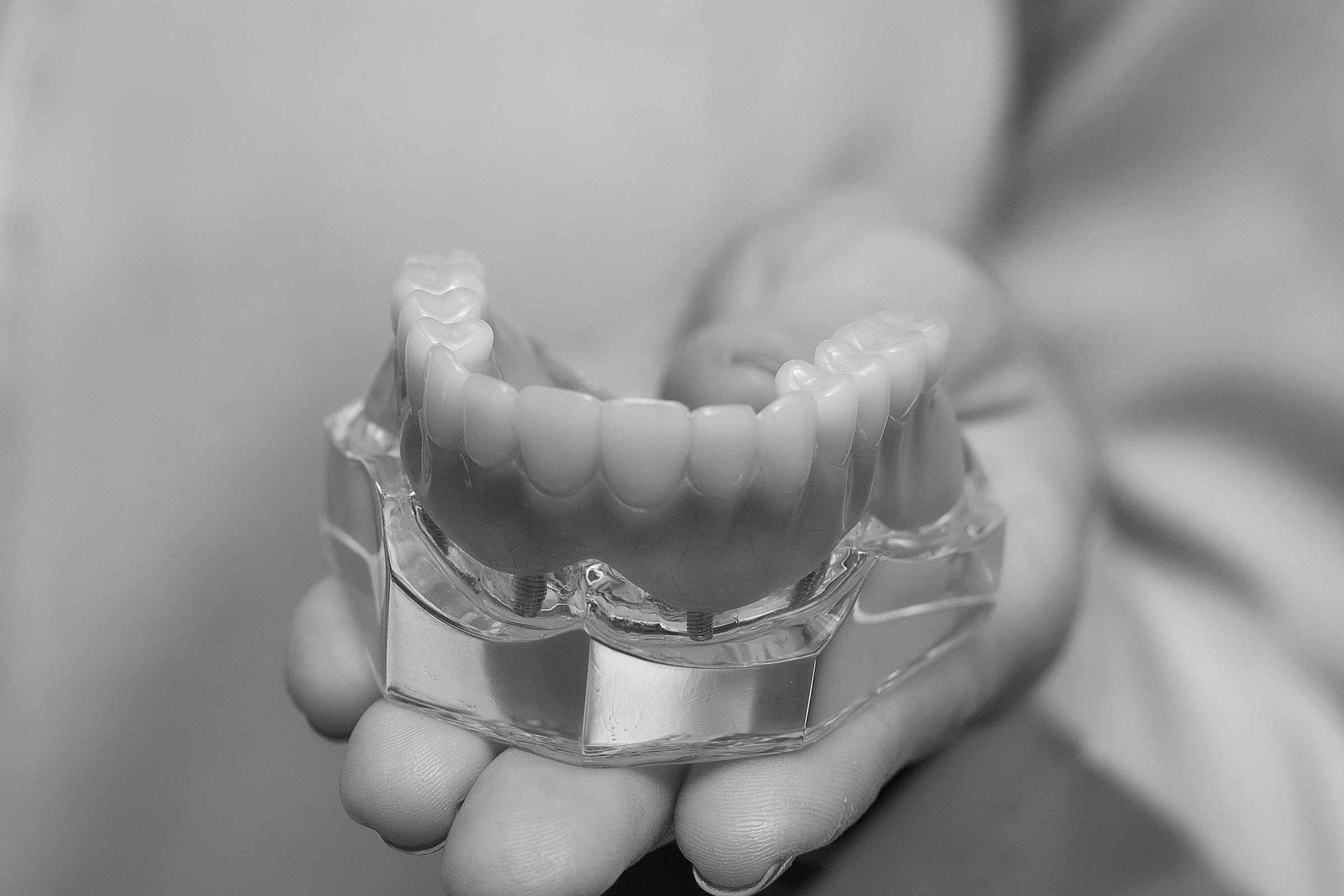
Clear aligners in Cary are a way to straighten your teeth with a series of removable, nearly invisible plastic trays instead of brackets and wires. Each tray is made from a digital plan of your teeth and moves them a small step at a time. At VanderWall Orthodontics, we offer two aligner systems, Invisalign and 3M Clarity Aligners. Both work on the same principle, and the right choice comes down to your teeth, your bite and how you live day to day.
I’m Dr. Clay VanderWall. Many of the adults I see in Cary had braces as teenagers and have watched a tooth or two drift since then. Others never had treatment and want to fix crowding without metal. Aligners suit a lot of them.
I start with a scan of your teeth and plan every movement on a 3D model. I can look at different scenarios before anything is made, and you’ll see a preview of how your smile is expected to change. I then send the plan to the aligner lab, which makes your trays to that prescription.
Each tray fits snugly and applies light, steady pressure. You move to the next tray on a schedule, and your teeth follow the plan. Our clear aligners page explains the steps.
Both are clear, removable trays made of smooth plastic. Both are planned digitally, and both treat a wide range of problems, from crowding and gaps to many overbites. The 3M Clarity Aligners page covers that system, and our Invisalign page covers Invisalign and Invisalign Teen.
I’ll recommend one at your consult based on what your teeth need. For most people, the system matters less than the plan behind it and how consistently the trays are worn.
Aligners work well for teens and adults with:
Severe rotations, large bite differences or teeth that need to be pulled down into place can be harder with aligners. In those cases, braces or a combination of approaches may work better, and I’ll tell you if that’s the case.
If you had braces years ago and your teeth have shifted, you’re in good company. Teeth keep a tendency to move for life, especially when retainers get lost or stop being worn. The lower front teeth are often the first to crowd.
Aligners are a common way to fix that kind of relapse, because the changes are often modest and the trays are discreet enough for work. The plan is usually shorter than a first round of treatment. The important part this time is the retainer afterward, so we’ll talk about which type you’ll actually keep wearing.
Aligners only move teeth while they’re in your mouth. Most plans ask for 20 to 22 hours a day, which means taking them out only to eat, drink anything other than water, and brush. That freedom is the biggest advantage of aligners, and also the biggest responsibility.
If you travel a lot or have a demanding schedule, it’s worth thinking about whether you’ll keep them in. Braces, including INBRACE behind the teeth, don’t depend on remembering.
Here’s a checklist of what to bring and ask about at your first visit.
Want to see if aligners fit your smile? Book a complimentary consult in Cary. Call (919) 852-0009 or request a consultation online.
Many people have small tooth-colored bumps called attachments bonded to a few teeth. They help the trays grip and push teeth in the right direction, and they’re removed at the end. Sometimes I also need to create a tiny bit of space between teeth by polishing the contact points, which helps crowded teeth line up.
Toward the end of treatment, some people need a short set of refinement trays to fine-tune the result.
Each new tray feels tight for a day or two. That pressure means it’s working. Soft foods help in those first days. Most people have a slight lisp for a few days at the start, and it goes away quickly.
Brush your teeth before putting trays back in, so food and sugar aren’t trapped against the enamel. Rinse and gently brush the trays with cool water. Hot water can warp them. Keep them in their case whenever they’re out. The Cleveland Clinic has more on aligner care.
Coffee and tea are fine with trays out. With them in, stick to water to avoid staining and trapping sugar.
There are no wires to tighten, so visits are short. I’ll check how your teeth are tracking, look at the fit and hand off your next trays. If a tray cracks or goes missing between visits, call us and we’ll tell you what to do next.
When your teeth reach their final positions, you’ll get a retainer. Wear it as directed, and plan on nightly wear for the long term to hold your result. The American Association of Orthodontists explains why retention matters.
I’m Dr. Clay VanderWall. I did my orthodontic training in a three year residency at Albert Einstein Medical Center in Philadelphia, after earning my DDS with honors at the University of Detroit Mercy School of Dentistry, where I joined Omicron Kappa Upsilon, the national dental honor society. Before private practice I served as a dentist in the US Navy. These days I’m an orthodontist with offices in Raleigh, Durham and Cary. More on my bio page.
It depends on what needs to move. I’ll give you an estimate at your consult.
Most people won’t. The trays are clear and sit close to your teeth.
No, they come out for eating and for anything other than water. Coffee and tea are fine with the trays out. Food and sugar trapped under a tray sit right against the enamel, and hot drinks can warp the plastic, so the trays come out and you brush before they go back in.
Snug for a day or two with each new tray. Pressure, not pain.
Our Cary office is on Kildaire Farm Road, and we see families from Lochmere, MacGregor Downs, Regency, Apex and Morrisville, with more offices in Raleigh and Durham. Come in for a consult and we’ll scan your teeth, show you a preview of your plan and help you decide whether aligners or braces are the better match for your goals.
Book a complimentary clear aligner consult at our Cary office. Call (919) 852-0009 or request a consultation online.
Visit VanderWall Orthodontics in Cary
1815 Kildaire Farm Rd #C, Cary, NC 27518
Phone: (919) 852-0009
Office hours

220 Horizon Dr #212
Raleigh, NC 27615
Tel: (919) 518-2644
Fax: (919) 518-2634
3518 Westgate Dr #405
Durham, NC 27707
Tel: (919) 403-0790
Fax: (919) 490-6665
1815 Kildaire Farm Rd #C
Cary, NC 27518
Tel: (919) 852-0009
Fax: (919) 518-2634