220 Horizon Dr #212
Raleigh, NC 27615
Tel: (919) 518-2644
Fax: (919) 518-2634


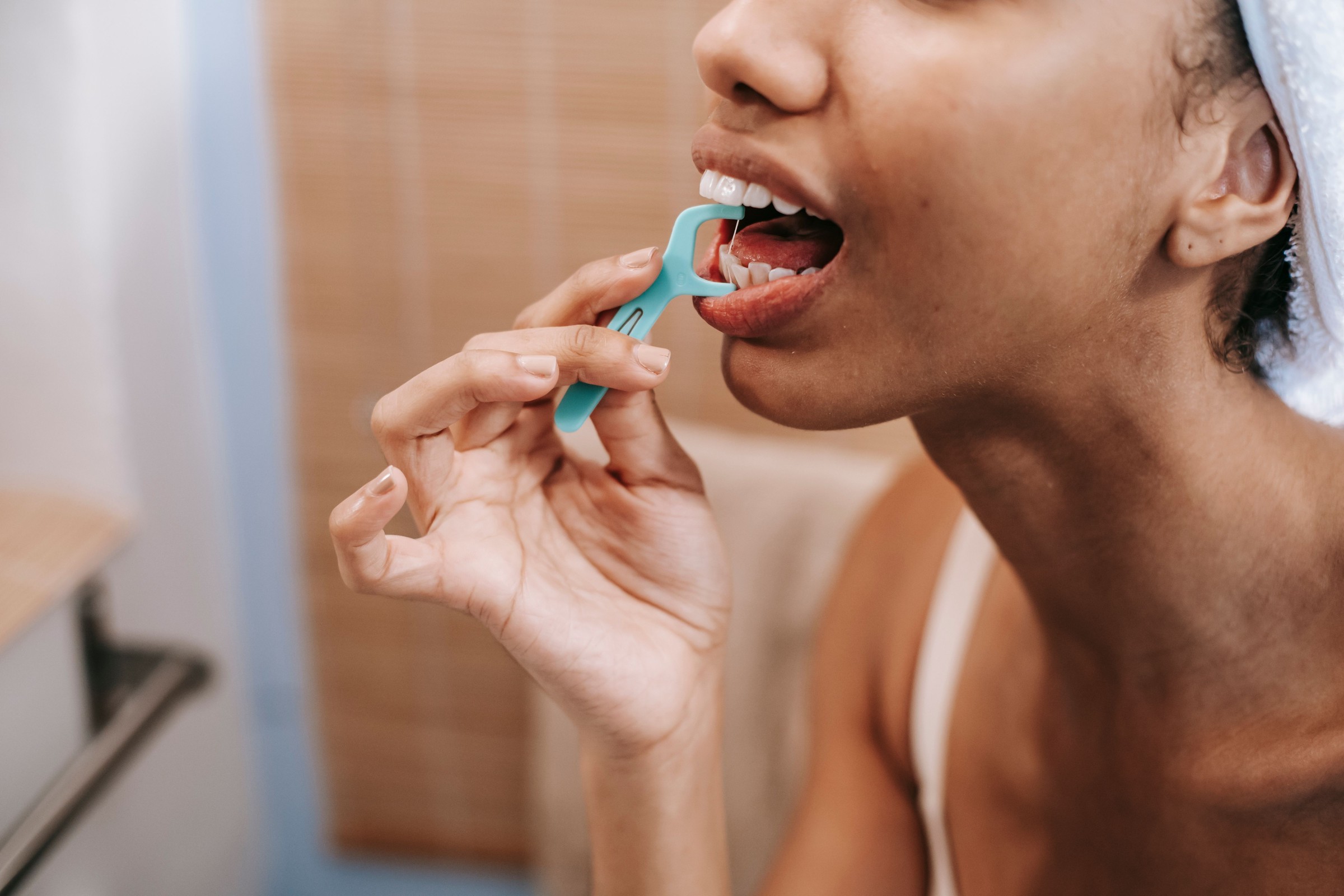
How do you floss with braces? You get the floss under the wire first, with a floss threader or a floss that has a stiff end, and then you clean each gap the normal way, working the floss up and down between two teeth and just under the gumline on both sides before you pull it out and move along. Expect it to take a few extra minutes at first. Small interdental brushes and a water flosser help around the brackets where floss can’t reach, but they work alongside floss, not instead of it.
I’m Dr. Clay VanderWall, an orthodontist. I’ll admit flossing is the habit most patients let slide during braces. It’s also the one that matters most for coming out of treatment with healthy teeth and gums.
Brackets and wires trap food and plaque in dozens of new spots. At the gumline, plaque irritates the gums. Around the brackets, it can leave white spots on the enamel. Those are early signs of decay, they show up when the braces come off, and they don’t always fade.
Your toothbrush can’t fix this alone. It reaches the fronts and chewing surfaces, but the wire blocks the usual path between the teeth.
A floss threader is a small loop of flexible plastic, a bit like a needle for floss. Thread about 18 inches of floss through the loop. Push the pointed end under the wire from the front, between two teeth, and pull until the floss sits under the wire. Let the threader go.
From here it’s regular flossing. With a hand on each end, ease the floss down between the teeth, curve it around one tooth in a C shape and move it up and down just under the gumline. Then the neighbor. Slide the floss out from the side, not up, and rethread for the next gap.
Go slowly the first few times. It speeds up within a week or two.
Super floss has a stiff end built in, so it goes under the wire without a threader. Orthodontic floss picks have a thin, flat arm that slides under the wire. They aren’t as thorough as regular floss. They are quick, though, and easy to carry.
A water flosser, sometimes called a waterpik, sprays a thin stream that flushes food from around brackets and between teeth, which helps most after meals and at the back teeth. Our life with braces page recommends one along with regular flossing. Start on a low setting, lean over the sink and aim at the gumline and around each bracket. Interdental brushes, also called proxy brushes, are tiny cone shaped brushes for the spots between wire and tooth that a toothbrush misses.
Here’s a list of tools that are good to keep on hand during braces.
Want a hands-on flossing demo? Book a visit and we’ll show you how. Call (919) 518-2644 or request a consultation online.
Brush after each meal and before bed, angling the brush above and below the brackets. Floss properly once a day, usually at night. After meals, the water flosser or an interdental brush is enough when you can manage it. A fluoride mouthwash helps protect the enamel too, as our braces FAQ suggests.
Too tired for it at bedtime? Do it earlier in the evening, in front of the TV.
A bit of bleeding in the first week is common, especially if the gums are already a little puffy. It usually settles as you keep flossing every day. If it goes on past a week or two, or comes with swelling and soreness, mention it at your next visit. The American Dental Association’s MouthHealthy site has more on keeping gums healthy with braces.
Most other problems come down to technique. Snapping the floss down hard can cut the gums. Ease it in with a gentle sawing motion instead. Every gap has two teeth to clean. The back teeth get skipped a lot, even though food packs in there the most. Pulling the floss up toward the wire can catch a bracket and loosen it. A mirror in good light helps a lot while you’re learning.
Younger kids may need help at first. A parent can do the flossing for a few weeks and then supervise while the child takes over, and floss picks made for braces are easier for small hands.
Keep seeing your general dentist every six months for cleanings and checkups throughout treatment. Your hygienist reaches places home care misses and can spot trouble early.
I’m Dr. Clay VanderWall. I practise orthodontics at our offices in Raleigh, Durham and Cary, and before private practice I was a dentist in the US Navy. I trained at the University of Detroit Mercy School of Dentistry, graduating with honors and joining Omicron Kappa Upsilon, the national dental honor society, then completed a three year orthodontic residency at Albert Einstein Medical Center in Philadelphia. You can read more on my bio page.
Once a day, all the way around. Night is usually easiest, since you’re not rushing out the door. If the threader still feels fiddly after a couple of weeks, ask at your next visit and our team will go through it with you again, step by step, as many times as you need.
No.
INBRACE uses a looped wire, so you floss normally without a threader.
Pull it out from the side rather than up. If a bracket loosens, call us.
Our Raleigh office on Horizon Drive sees families from North Hills, North Ridge, Greystone, North Raleigh, Midtown, Durant Trails and Wake Forest, and we also have offices in Durham and Cary. When your braces go on, our team will show you how to brush and floss with them, and we’ll gladly go over it again at any visit.
Book a visit and get your braces care questions answered. Call (919) 518-2644 or request a consultation online.
Visit VanderWall Orthodontics in Raleigh
220 Horizon Dr #212, Raleigh, NC 27615
Phone: (919) 518-2644
Office hours

220 Horizon Dr #212
Raleigh, NC 27615
Tel: (919) 518-2644
Fax: (919) 518-2634
3518 Westgate Dr #405
Durham, NC 27707
Tel: (919) 403-0790
Fax: (919) 490-6665
1815 Kildaire Farm Rd #C
Cary, NC 27518
Tel: (919) 852-0009
Fax: (919) 518-2634