

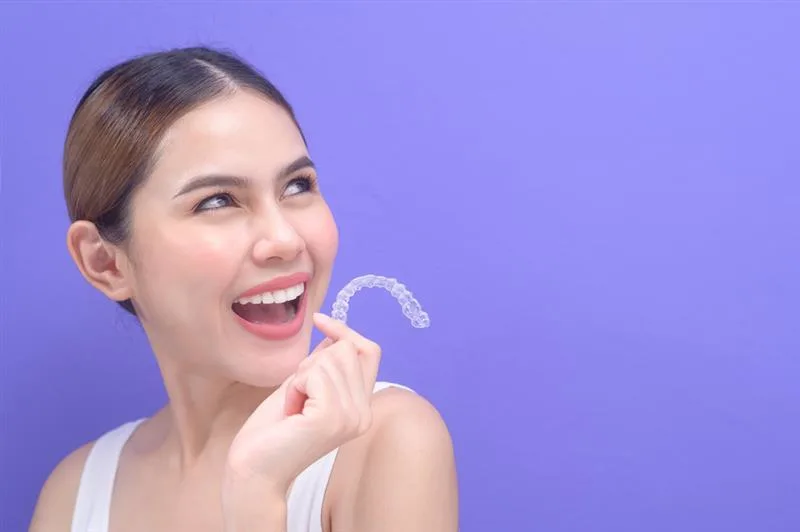
Thanksgiving brings a welcome break in our routines-warm meals, long conversations, and plenty of desserts over the holidays. While this is great, it’s very easy to forget that some foods really stick to orthodontic appliances more than others do. Retainers, in particular, after such a large Thanksgiving dinner, will tend to accrue food particles, stains, and bacteria much more quickly than usual.
Proper cleaning will help keep your retainer clear, odor-free, and safe for everyday wear. Whether you are using a conventional removable retainer or an Invisalign-style clear retainer, knowing how to best clean your retainer after meals helps protect your oral health and ensures your appliance lasts.
This guide explains some practical steps one can immediately follow after Thanksgiving dinner and into the holiday season. It covers the most effective ways of cleaning one’s retainer, including how to remove tartar buildup and what to do if one has not cleaned it properly for some time.
Do I clean my retainer after eating?
Cleaning your retainer after eating is important, particularly after rich, sticky, or sugary meals which pretty much describes the kinds of food you’d have at a Thanksgiving celebration.
Why cleanup matter after meals
When you consume foods like stuffing, turkey, cranberry sauce, pumpkin pie, or casseroles, your teeth can retain tiny fragments of food. Placing a retainer back in the mouth without cleaning your teeth or the appliance traps the food particles against the enamel. This environment encourages plaque, bacteria, and unpleasant odors.
Wearing a dirty retainer after a meal may lead to:
- Bacterial accumulation
- Bad breath
- Cloudy or stained retainers
- Irritation along the gums
- Increased risk of decay on tooth surfaces the retainer touches
A clean retainer maintains a healthy mouth. Even slight slips can bring about problems if repeated over time.
How to clean your retainer after eating
Here are some easy steps to follow after Thanksgiving dinner:
1. Rinse the retainer immediately
Lukewarm water not hot is used for rinsing off loose food particles. This is the initial easiest step that can help keep your retainer fresh until you are able to clean it.
2. Brush your teeth before putting it back in
Cleaning the retainer is but half the routine. Brushing your teeth first removes sugars and starches that could get stuck under the appliance.
3. Do light cleaning with a soft toothbrush
A soft-bristled brush helps clean your retainer without scratching it. Scratches make plastic retainers more likely to hold bacteria.
4. Avoid toothpaste unless advised.
Many patients ask: Can you clean your retainers with toothpaste?
Toothpaste is generally too abrasive for plastic retainers or Invisalign-style trays. It can scratch tiny grooves into the appliance that make it appear dull or cloudy.
Only follow gentle cleaning procedures unless otherwise advised by your orthodontist.
5. If necessary, use a safe daily cleaning solution.
Buildup can be removed without damaging the material by using retainer-cleaning tablets, mild soap, or clear liquid antibacterial soap.
This extra cleaning step after Thanksgiving or other holiday meals helps to remove oils and spices that cling to the plastic.
How to Remove Tartar from a Retainer
If you notice white, yellow, or hardened deposits on your retainer, it may be tartar. Tartar is caused when plaque is not removed in a timely manner and has started hardening along the surface.
Why does tartar form on retainers?
Holiday foods often contain sugar, carbs, and sticky textures. When retainers are worn without proper cleaning, these particles cling to the appliance and start forming a hardened buildup. Once tartar settles on a retainer, brushing may not be enough to remove it.
Knowing the ways to clean your retainer properly helps in preventing and removing these deposits before they attack your oral health.
Safe ways to remove tartar from your retainer
Here are some effective, orthodontist-approved techniques:
1. Soak the retainer in a special cleaning solution
The purpose of retainer-cleaning tablets is to break down bacteria and loosen tartar.
Follow package instructions-usually it’s a brief soaking of 10-15 minutes.
2. Use a mild mixture of white vinegar and water
1 solution of white vinegar and lukewarm water helps dissolve mineral buildup.
Steps:
- Soak the retainer for 15–20 minutes
- Gently brush with a soft toothbrush
- Rinse well to remove the flavor
3. Employ clear, mild liquid soap
Mild soap helps remove oils, food residue, and early plaque before it becomes tartar.
Apply the soap with a soft brush and rinse completely before wearing.
4. Avoid using harsh or abrasive cleaners.
Never use:
- Bleach
- Alcohol
- Boiling water
- Denture cleaners not designed for plastic retainers
These can be warping, discoloration, or structural damage.
5. Ask your orthodontist for professional cleaning.
If tartar becomes severe, or if it has built up over a great amount of time, bringing the retainer to your orthodontic office may be the best way to clean it. This is because professional equipment can clean retainers more effectively without damaging them.
How to Clean Your Retainers After a Long Time
Sometimes, particularly during busy holidays, it’s easy to fall out of a regular cleaning routine. If it has been days, or even longer, since your retainer has been cleaned, buildup, odors, and cloudy discoloration may show up. The good news is that most retainers can be restored with proper care.
Signs your retainer needs deep cleaning
You may need a deeper cleaning if the retainer:
- Looks cloudy or dull
- Smells badly
- Has white or yellow mineral buildup
- Feels sticky even after rinsing
- Shows visible stains from holiday foods
These signs indicate that simple rinsing is no longer sufficient.
Steps to Deep Clean a Retainer You Haven’t Cleaned in a While
1. Start by rinsing them thoroughly
Rinse under lukewarm water to remove surface debris.
2. Soak in a cleaning tablet solution
Retainer-cleaning tablets break down layers of buildup.
Follow the recommended time—usually not more than 20 minutes.
3. Employ a soft toothbrush and mild soap.
A combination of soap and brushing helps to remove loosened buildup.
Take your time with the edges and grooves, especially if you are wearing some sort of Invisalign-style appliance.
4. Soaking in diluted vinegar can help dissolve particularly stubborn residue.
If some buildup remains, a soak in vinegar can dissolve the hardened material.
Avoid soaking longer than 30 minutes to avoid damaging the plastic.
5. Wash thoroughly before use
Rinse several times under cool running water to remove vinegar, soap, or cleaning solution.
6. Do this for several days
For deep buildup, sometimes multiple cleaning sessions are necessary. It’s safer to repeat gentle cleaning steps over a few days than to try one harsh method once.
7. Replace the retainer if needed
If a retainer is cloudy, deformed, or continues to have an odor after deep cleaning, replacement might be a good option. With time, all plastic appliances will lose clarity and develop microscopic scratches, attracting bacteria.
How to Clean Your Invisalign Retainer After Thanksgiving
Clear retainers scratch easily and discolor faster when coming into contact with common holiday foods such as berries, gravy, spices, and sauces; thus, they demand special care.
In order to maintain their transparency:
- Rinse immediately after eating
- Avoid hot water, which can warp the plastic
- Never use toothpaste or abrasive cleaners
- Use specialized cleaning solutions designed for clear aligners
- Gently brush with a soft toothbrush and mild soap.
Cleaning immediately after meals, especially after sticky desserts, keeps the retainers clear and odor-free.
Everyday Tips for Keeping Your Retainer Clean During the Holidays
Thanksgiving kicks off a season of special meals. These simple habits can help you keep your retainer fresh every day:
1. Always store your retainer properly
A clean and well-ventilated case prevents any contamination and minimizes the risk of loss or damage to the appliance.
2. Do not wrap the retainer in napkins
This is one of the most common reasons retainers are accidentally discarded during holiday gatherings.
3. Carry a travel-sized soft toothbrush with you
This helps you clean your retainer even when away from home.
4. Keep your body hydrated
Dry mouth increases bacterial growth on retainers. Drinking water throughout the day helps to keep your mouth clean.
5. Avoid foods that commonly stain retainers
Food strongly pigmented, such as cranberries, red wine, curry, and some sauces, may stain clear retainers if not rinsed immediately.
When to Replace Your Retainer
Even with excellent care, retainers do not last forever. You may need a replacement if:
- The retainer cracks
- The fit feels loose or uncomfortable
- The plastic stays cloudy
- Deep scratches develop
- It retains odor even after cleaning
- Replacing your retainer ensures your teeth stay in their corrected positions.
Conclusion: Keep Your Smile Healthy After Thanksgiving
Thanksgiving is a joyful time to relax and enjoy good food, but it can also challenge your dental appliances. Cleaning your retainer properly after holiday meals protects your oral health, keeps theappliance clear, and prevents odors or buildup. Whether you are looking for the best way to clean your retainer, remove tartar, or restore a retainer that hasn’t been cleaned in a while, these steps make the process simple and safe. With the right daily routine and a few deep-cleaning techniques, your retainer will stay fresh and comfortable throughout the holiday season. If you ever have questions about caring for your retainer or need a professional cleaning or replacement, VanderWall Orthodontics is here to help you keep your smile healthy year-round.