220 Horizon Dr #212
Raleigh, NC 27615
Tel: (919) 518-2644
Fax: (919) 518-2634


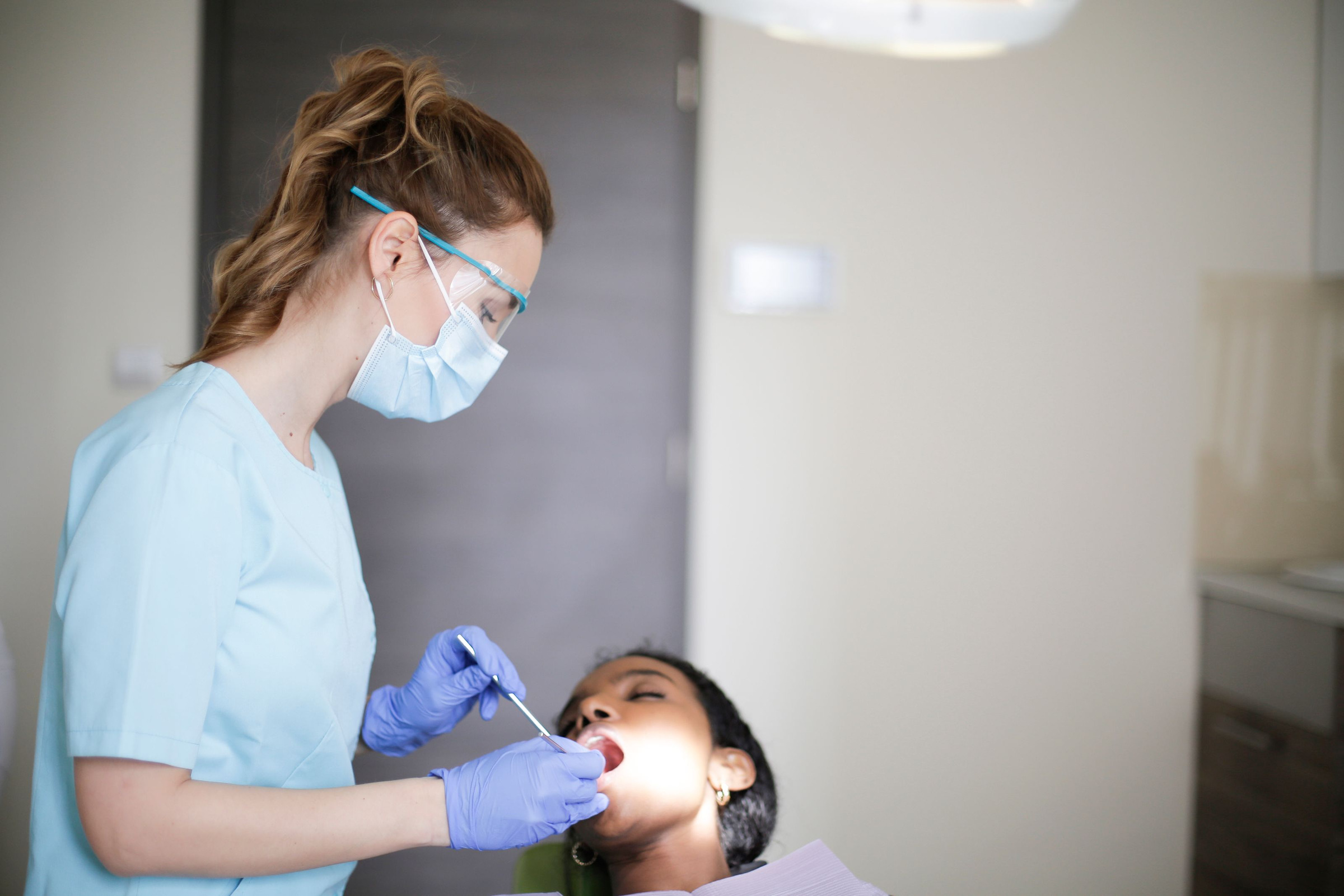
Most open bites can be closed. The earlier I figure out why yours is there, the simpler the fix usually is. Here’s the quick definition: if your back teeth are together and your front teeth still don’t touch, that space is the open bite. At my Raleigh office on Horizon Drive, I see it in little kids who suck a thumb, in teens whose tongue pushes forward each time they swallow, and in adults whose jaws just grew that way.
Close gently on your back teeth and look in a mirror. Is there room for a fingertip, or a straw, between your upper and lower front teeth? Now try biting a noodle or a leaf of lettuce using only the front teeth. If it slides right through, you’re not imagining things. Patients with an open bite often tell me they’ve always torn sandwiches with their side teeth. Others mention a slight lisp on S sounds they’ve had for years and never connected to their bite. Bring those little details to your visit. They tell me how long the bite has been open and how much the tongue is part of the story.
There are two roots, and each sends me down a different path. The first is behavior and soft tissue. A thumb or finger habit that hangs on past the early school years, a pacifier used for a long stretch, a tongue that rests between the front teeth. The second is skeletal. The jaws grew at a steep angle, so the back teeth hit first and hold the front ones apart. Cleveland Clinic describes open bite as one form of malocclusion, which is just the clinical word for teeth and jaws that don’t line up the way they should.
Plenty of my patients have some of each. I might see a twelve-year-old with a mild skeletal tendency plus a tongue thrust that keeps nudging the incisors outward. Working out how much of each I’m dealing with is honestly the most useful thing I do at that first appointment.
When baby teeth are still in and there’s a thumb habit, stopping the habit usually comes first. Sometimes the gap starts closing on its own once it does. If it doesn’t, early orthodontic treatment can help, occasionally with a small appliance that reminds the tongue and thumb where they shouldn’t go. That’s part of why the American Association of Orthodontists suggests a first orthodontic check around age seven.
For this group I usually reach for braces or clear aligners. Braces give me fine control. I can bring the front teeth down while keeping the back teeth from rising. Aligners do surprisingly well with open bites, too, partly because the plastic covers the back teeth and works a little like a bite block. Which one is right for you depends on the size of the gap, your habits, and how faithfully you’ll wear trays.
A large skeletal open bite in an adult is different. Moving teeth alone may not hold. In those cases I’ll talk with you about pairing orthodontics with jaw surgery done by an oral surgeon. I get the teeth ready first, the surgeon repositions the jaw, and then I finish the bite. I only raise this after we’ve looked hard at every non-surgical option.
Not sure which group your bite falls into? A free consultation with me will tell you. Call (919) 518-2644 or request a free consultation online.
These answers help me find the cause faster. Jot them down before you come in.
Open bites have a reputation for creeping back. Almost always, the tongue is why. If it keeps pushing forward after the braces come off, it can slowly reopen the gap over a few months. So I watch you swallow and talk at the very beginning of treatment, not just at the end. Some patients do better with a bonded wire behind the front teeth on top of a removable retainer, and I’ll walk you through the types of retainers we use.
Breathing plays a part as well. Kids who breathe through the mouth because of allergies or big tonsils tend to keep the tongue low and forward. When I suspect that, I’ll suggest a visit with your pediatrician or an ear, nose and throat doctor. Straightening teeth without dealing with the airway can undo good work. MedlinePlus notes that most bite problems are picked up at routine exams and handled with braces, appliances or, less often, surgery.
Your first visit is free. We take digital x-rays and a 3D scan, and I study how your teeth meet from the side. I’ll also have you say a few words so I can see what the tongue is doing. Then I measure the gap and look closely at the back teeth, because in a lot of open bites they’ve grown taller than they should, and that’s what props the front open. You’ll walk out knowing the cause, the options that fit, and roughly how long treatment would take. The first visit page lists what to bring. Before anything starts, our team goes over insurance and payment with you, including the no down payment option for braces.
My name is Dr. Clay VanderWall, and I’m an orthodontist with offices in Raleigh, Durham and Cary. I earned my DDS at the University of Detroit Mercy School of Dentistry, graduating with honors and joining Omicron Kappa Upsilon, the national dental honor society. I then completed a three-year orthodontic residency at Albert Einstein Medical Center in Philadelphia. Before private practice I served on active duty as a dentist in the United States Navy. You can read more on my bio page.
Ready to have your bite looked at? Book a free consult at my Raleigh office. Call (919) 518-2644 or request a free consultation online.
Sometimes, in young kids. If a thumb or pacifier habit stops while baby teeth are still in, the gap can shrink without help. In teens and adults it very rarely closes without treatment, and it can widen if a tongue habit keeps going.
Most teen and adult cases I treat run somewhere around one to two years. Surgical cases take longer because the teeth are prepared beforehand and finished afterward.
Often it can. The trays cover the back teeth, which helps hold them down while the front teeth come together. I’ll tell you at the consult whether aligners or braces suit your case better.
Many plans include an orthodontic benefit, and my team files most insurance for you. Bring your card and we’ll check what applies. The insurance and finances page has more.
Not always right away. Over time, though, the back teeth carry more of the chewing load and can wear faster, and some people notice jaw fatigue. It’s worth a look even if it isn’t painful.
My Raleigh office is at 220 Horizon Drive, Suite 212, open Monday through Thursday. Your first visit and records are free, and I’ll walk you through what’s causing the gap and the options that fit your age and goals.
Book your open bite consult with VanderWall Orthodontics in Raleigh. Call (919) 518-2644 or request a free consultation online.
Visit VanderWall Orthodontics in Raleigh
220 Horizon Dr #212, Raleigh, NC 27615
Phone: (919) 518-2644
Office hours

220 Horizon Dr #212
Raleigh, NC 27615
Tel: (919) 518-2644
Fax: (919) 518-2634
3518 Westgate Dr #405
Durham, NC 27707
Tel: (919) 403-0790
Fax: (919) 490-6665
1815 Kildaire Farm Rd #C
Cary, NC 27518
Tel: (919) 852-0009
Fax: (919) 518-2634