220 Horizon Dr #212
Raleigh, NC 27615
Tel: (919) 518-2644
Fax: (919) 518-2634


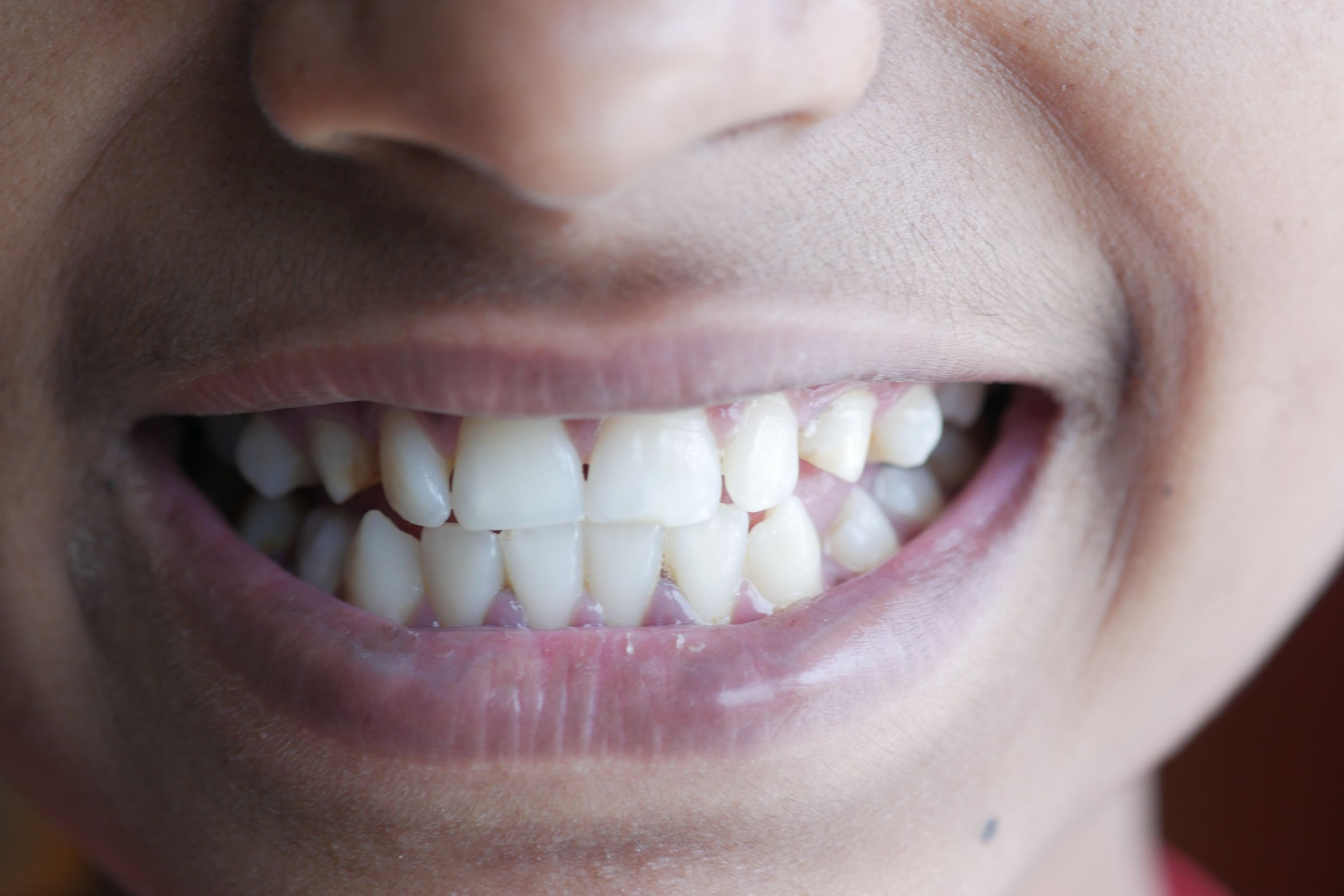
The day braces come off, teeth start trying to wander back. Gum fibers and bone are still settling, and without something holding them, the front teeth tend to drift first. Permanent retainers in Durham answer that pull with a thin wire you never take out. For many patients it is the simplest kind of retention to live with.
The name oversells it a little. The clinical term is a bonded lingual retainer, meaning a slender wire glued along the tongue side of the bottom front teeth. Nobody sees it when you talk or smile. Because it stays in, there is no case to lose and no nightly habit to keep.
Permanent describes the attachment, not a promise about forever. The wire can loosen, break or be removed, and it still needs checkups like any other appliance. Our types of retainers page shows how it compares with the clear and Hawley styles.
Want to see if a bonded wire suits your teeth? Call our Durham office at (919) 403-0790 or request a consultation online.
Placement is usually one appointment. The inside surfaces of the teeth are cleaned and prepared, then the wire is shaped to follow their curve. A dental adhesive sets it to each tooth. Unlike a lab made removable retainer, the Cleveland Clinic notes, you leave wearing a fixed one that day.
Expect your tongue to explore the wire for a few days. Most people stop noticing it within the first week. If an edge feels rough or catches the tongue, call so it can be smoothed.
Bonded wires are common when the lower front teeth were crowded before treatment. Those are the teeth most likely to slip, and a wire behind them handles that job quietly. Patients who already know they forget removable appliances often prefer this route too.
Many people wear more than one retainer. A bonded wire on the bottom paired with a clear retainer on top is a familiar combination. Dr. VanderWall weighs how your teeth moved, how your bite closes and your habits before suggesting a plan. Biting hard on the lower front teeth, for example, can stress the wire.
Age plays a part as well. Our article on how smiles change with age points out that crowding of the bottom teeth tends to appear first as people get older. That natural drift is one reason retention is treated as an ongoing habit rather than a short phase after braces. A bonded wire simply takes the daily decision out of your hands.
Retention studies are harder to run than you might expect. A Cochrane review of retention methods pooled dozens of trials and still could not name one approach as clearly preferable, citing low certainty evidence. A second review pitting plastic shells against bonded wires landed in much the same spot. Its authors found the shells simpler to clean but harder on comfort and speech.
That uncertainty is useful information. It means the choice should rest on your teeth and habits rather than a rule of thumb. A patient who reliably wears a clear retainer every night has a different risk profile from one who leaves it on the nightstand. Your orthodontist can only plan around habits you describe honestly.
Cleaning is the main commitment. Plaque and tartar collect where the wire meets each tooth, so flossing underneath it every day matters. Threaders and water flossers both help get floss where a plain strand cannot. Our retainer care page and the oral hygiene tips page show techniques that work.
Diet changes are modest compared with braces. Biting into very hard foods with the front teeth is the habit most likely to break a bond. Chewing ice and opening packages with your teeth come close behind. Regular dental cleanings every six months continue as usual. Let your hygienist know the wire is there.
A loose spot on a bonded retainer often goes unnoticed at first, since the wire still looks fine from the front. You might feel a tooth that no longer sits against the wire, or the tongue finds a sharp edge. Leave the wire alone rather than pressing it back with a finger. Phone us promptly so a repair or a new wire can be arranged while the teeth are still in place. If the team also made you a removable retainer, ask whether to wear it until the visit.
Feel a loose spot on your retainer? Call our Durham office at (919) 403-0790 or request a consultation online.
The fee depends on whether one or both arches need a wire and whether a removable retainer is added. Our coordinator can walk you through the fee and how your benefits apply. Claims are filed for you with most carriers, and the insurance and finances page describes payment plans.
Yes. An orthodontist can take it off if it is no longer needed or if another retainer will replace it. Removal is a short visit, and the adhesive is polished away afterward.
Placement is generally comfortable. You may feel pressure on the teeth for a day, and the tongue needs time to get used to the wire.
It can, especially stringy or seedy foods. A quick rinse after meals clears most of it, and daily flossing under the wire handles the rest. Tartar that builds up there is removed at your regular dental cleanings.
Sometimes, if the teeth are still in a good position. If they have shifted, they may need to be realigned first. An exam answers that.
Depending on the bite, yes. Upper wires sit where the lower teeth strike when you close, so the plan has to account for that.
Very little, in most cases. The wire sits low behind the lower teeth, away from where the tongue shapes most sounds. Any change usually fades within days.
The team will set a schedule at your retainer visits. Bring up any rough spots, loose feelings or food traps at those checks.
You will find our Durham office at 3518 Westgate Dr #405, Durham, NC 27707, a convenient trip from Chapel Hill. Call (919) 403-0790 or request a consultation online. Bring any retainer you already have, along with records from a previous orthodontist if your braces came off elsewhere. Our Durham office page has more about the office.
Request a bonded retainer consultation in Durham. Call our Durham office at (919) 403-0790 or request a consultation online.
Visit VanderWall Orthodontics in Durham
3518 Westgate Dr #405, Durham, NC 27707
Phone: (919) 403-0790
Office hours
Request a consultation Get directions
VanderWall Orthodontics also has offices in Raleigh and Cary. See all locations

220 Horizon Dr #212
Raleigh, NC 27615
Tel: (919) 518-2644
Fax: (919) 518-2634
3518 Westgate Dr #405
Durham, NC 27707
Tel: (919) 403-0790
Fax: (919) 490-6665
1815 Kildaire Farm Rd #C
Cary, NC 27518
Tel: (919) 852-0009
Fax: (919) 518-2634