220 Horizon Dr #212
Raleigh, NC 27615
Tel: (919) 518-2644
Fax: (919) 518-2634


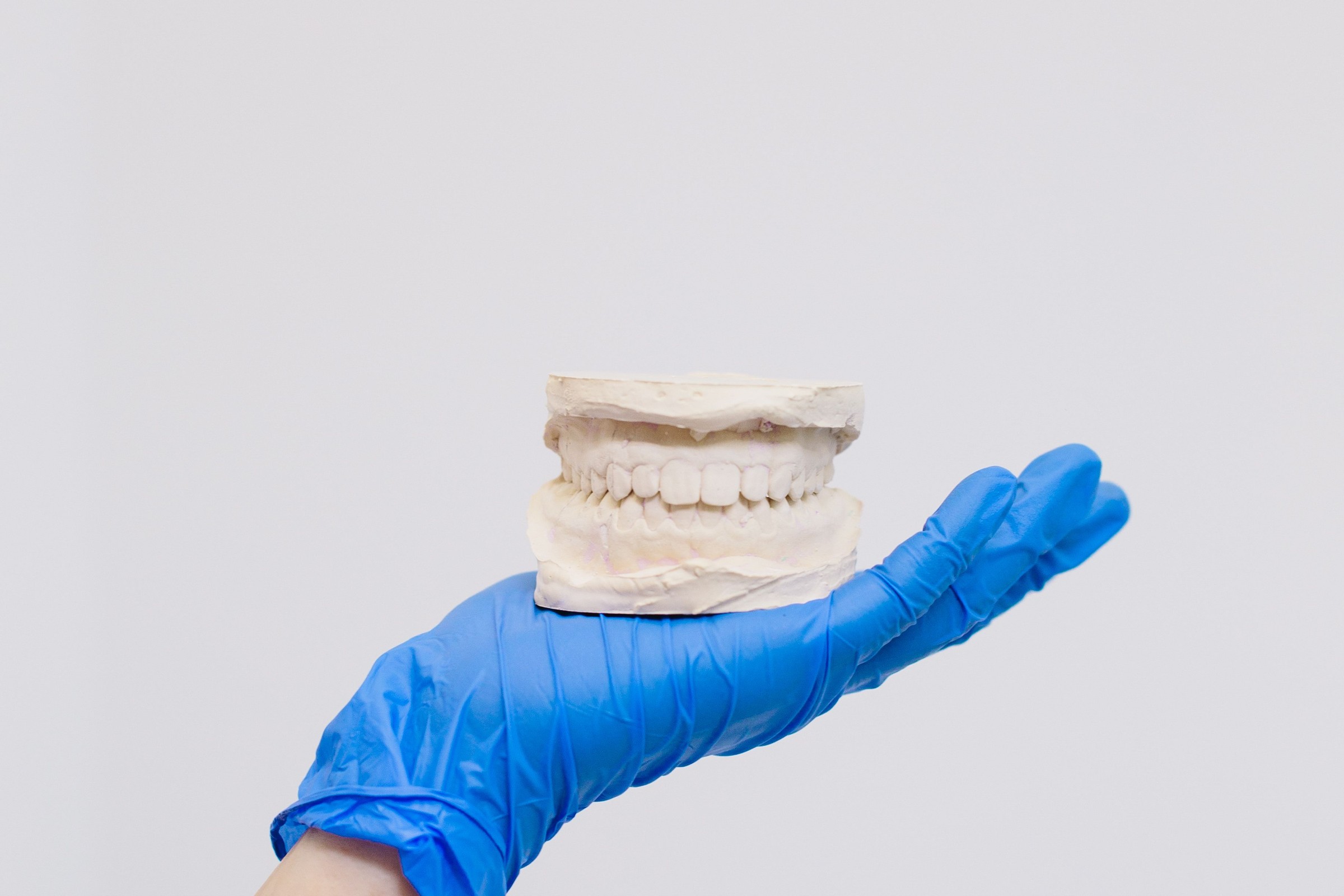
What are Invisalign buttons? Most people mean attachments: small, tooth-colored bumps of bonding material placed on certain teeth so the aligners have something to grip and push against. Orthodontists also use the word for tiny hooks bonded to a few teeth when rubber bands are part of aligner treatment. Both are temporary, both are removed at the end, and both help the trays move teeth in ways smooth plastic alone can’t.
I’m Dr. Clay VanderWall. Patients are often surprised to learn that clear aligners sometimes involve anything stuck to the teeth. Here’s what these little bumps do and what living with them is like.
An attachment is a small shape made from the same tooth-colored composite used for fillings. It’s bonded to the front of a tooth in a specific spot, and the aligner has a matching pocket that snaps over it. Some are rounded, some are rectangles and some are beveled at an angle, depending on the movement that tooth needs.
Not everyone gets them, and not every tooth gets one. They’re placed where the plan calls for extra control.
Teeth are smooth and rounded, and plastic can slip over them. That’s fine for tipping a tooth slightly, but some movements need more grip, like:
The attachment gives the tray a handle. When the tray presses on that handle, the force goes where it’s needed. The Cleveland Clinic has a good overview of how aligners move teeth.
For some bite corrections, aligners work together with small rubber bands that stretch between the upper and lower teeth. The bands need something to hook onto. Sometimes the tray has a small notch cut into it for that. Other times, a tiny tooth-colored or metal button is bonded to a tooth, and the band loops from that button to a hook on the other jaw.
These buttons are usually on back teeth or canines. They’re a little more noticeable than attachments, but they’re small.
After your first set of trays arrives, I use a template tray filled with composite in the shape of each attachment. The teeth are cleaned and prepared, the template goes on, a curing light hardens the material, and the template comes off, leaving the bumps in place. It doesn’t need numbing and usually takes a short appointment.
Your tongue and lips will notice them for a few days. They can feel rough at first, but most people stop noticing them within a week. With the trays in, you won’t feel them at all.
Trays can be a little harder to take out with attachments. Start at the back teeth on one side and work forward, using your fingertips rather than your nails.
Have questions about what your aligner plan will involve? Book a complimentary consult. Call (919) 403-0790 or request a consultation online.
Usually for most of treatment. Attachments go on near the start, often at the visit when you get your first trays, and stay until your teeth reach their final positions. Sometimes a few are added or changed partway through, especially if a set of refinement trays is needed to finish a tooth that hasn’t fully tracked.
Buttons for elastics may only be needed during the stage of treatment when the bite is being corrected. If that’s part of your plan, I’ll explain when the elastics start, how many hours a day to wear them and when they’re likely to stop.
Attachments are matched to your tooth color, so most people won’t notice them in conversation. They can pick up some stain from coffee, tea or red wine over time, a little more than the enamel around them, so rinsing after dark drinks and brushing before putting trays back helps.
Brush around attachments carefully, because plaque likes to collect along their edges. A soft brush and gentle circles work well. Brush your trays too, especially the pockets that fit over the attachments.
It happens now and then, often from biting something hard with the trays out. If an attachment falls off, keep wearing your trays and call the office. A missing attachment can slow the movement of that tooth, so we’ll usually replace it at your next visit or sooner if the tray isn’t tracking.
When your treatment is finished, I gently polish the attachments away until the tooth surface is smooth again. It’s quick and doesn’t harm the enamel underneath. Then you’ll get your retainer. The American Association of Orthodontists explains why that retention step is so important.
Attachments bond best to natural enamel. Crowns, veneers and large fillings sometimes need a different bonding approach, so let me know about any dental work on your front teeth at your consult.
My name is Dr. Clay VanderWall, and I’m an orthodontist with offices in Raleigh, Durham and Cary. I earned my DDS at the University of Detroit Mercy School of Dentistry, graduating with honors and joining Omicron Kappa Upsilon, the national dental honor society. I then completed a three-year orthodontic residency at Albert Einstein Medical Center in Philadelphia. Before private practice, I served as a dentist in the US Navy. You can read more on my bio page.
No. Placing them doesn’t need numbing, and they don’t hurt once they’re on.
Sometimes. It depends on the movements your teeth need.
No. They’re polished off at the end, leaving the enamel smooth.
Yes, with the trays out. Avoid biting very hard foods directly with those teeth.
Our Durham office on Westgate Drive sees families from Hope Valley, Southpoint, Chapel Hill and Hillsborough, and we also have offices in Raleigh and Cary. At your consult, I’ll show you your plan on screen, including where any attachments would go, so you know what to expect before you start. You can read more on our Invisalign page.
Book a complimentary aligner consult. Call (919) 403-0790 or request a consultation online.
Visit VanderWall Orthodontics in Durham
3518 Westgate Dr #405, Durham, NC 27707
Phone: (919) 403-0790
Office hours

220 Horizon Dr #212
Raleigh, NC 27615
Tel: (919) 518-2644
Fax: (919) 518-2634
3518 Westgate Dr #405
Durham, NC 27707
Tel: (919) 403-0790
Fax: (919) 490-6665
1815 Kildaire Farm Rd #C
Cary, NC 27518
Tel: (919) 852-0009
Fax: (919) 518-2634