220 Horizon Dr #212
Raleigh, NC 27615
Tel: (919) 518-2644
Fax: (919) 518-2634


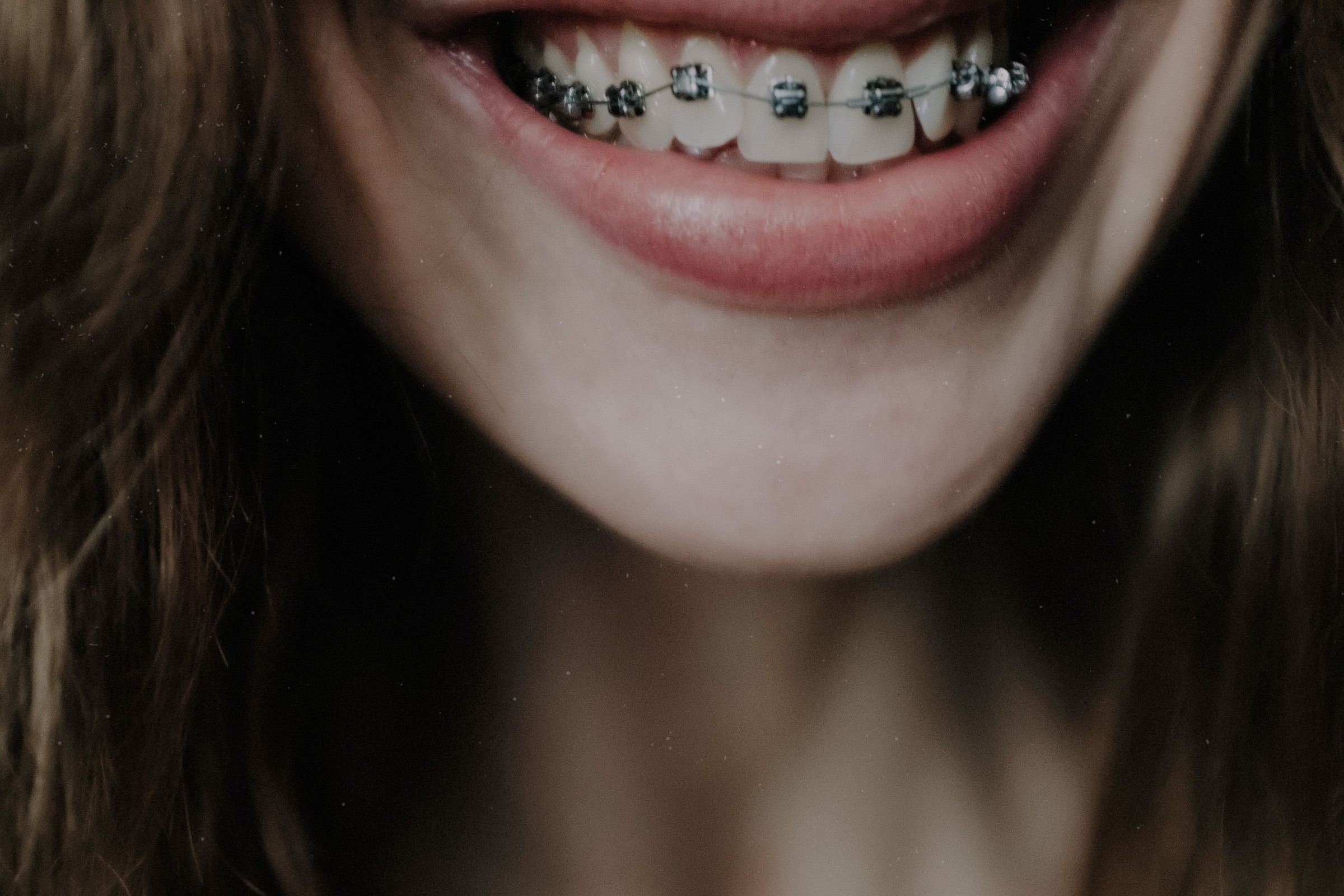
What do rubber bands on braces do? The small elastics you hook between your upper and lower braces pull the two jaws’ teeth toward each other in a specific direction, which moves your bite into place. Braces alone straighten the teeth within each arch, but the elastics are what correct how the top and bottom teeth fit together, like an overbite, underbite, crossbite or open bite. They only work if you wear them as prescribed, which usually means nearly all day and night.
I’m Dr. Clay VanderWall, an orthodontist. Rubber bands are the part of braces treatment where patients have the most control over how fast things go, so it helps to understand what they’re doing.
People use “rubber bands” for two different things:
Both are elastic, but they do completely different jobs.
Braces apply force within one arch at a time. To move the upper and lower teeth relative to each other, something has to connect them. An elastic stretched from top to bottom pulls steadily on both points, nudging teeth and, in growing kids, helping guide how the jaws develop.
The direction depends on the pattern:
The Cleveland Clinic explains these bite problems in more detail.
Most people wear elastics nearly all the time, taking them off to eat and brush, then putting fresh ones in. Some plans call for nighttime only. I’ll tell you exactly which pattern and how many hours.
Consistency matters more than anything. Our life with braces page puts it simply: teeth and jaws only move into the right positions if you wear your elastics and appliances as prescribed. Wearing them on and off can actually make your teeth sore over and over, because each time they go back in, the pressure starts again.
Expect your teeth to feel tender for the first two or three days of wearing elastics, and again whenever the pattern changes. It’s a dull ache, not a sharp pain. Soft foods help. If you normally take an over-the-counter pain reliever, it can take the edge off. The tenderness eases faster when you wear them steadily.
Questions about your elastics? Book a visit and we’ll check your bite. Call (919) 852-0009 or request a consultation online.
We’ll show you at the visit when elastics start. The basic steps:
1. Wash your hands.
2. Hook one end of the elastic over the upper hook or bracket.
3. Stretch it down and hook the other end onto the lower one.
4. Check in the mirror that it matches the pattern we showed you.
Many people use their fingers. A small plastic elastic placer helps if you find it tricky at first.
Elastics lose their stretch within hours. Replace them at least a few times a day, usually after each meal, and put in fresh ones at night. Carry a pack with you. Old bands that are left in all day stop doing much.
If a band snaps, replace it right away. If you run out, call us before you run out completely so we can get you more. Don’t double up bands unless I’ve told you to, because extra force doesn’t make teeth move faster and can make them sore.
Take elastics out to eat, then brush and put new ones in. You can talk normally with them on, though your mouth may not open quite as wide. That’s normal. Yawning wide or biting into a big sandwich may pop a band off, so keep spares handy.
For younger patients, elastics are often the first part of treatment they’re responsible for themselves. A chart on the bathroom mirror and spare packs in the backpack and car help a lot.
Some elastics are made of latex. If you or your child has a latex allergy, tell us before elastics start, and we’ll use non-latex bands.
Elastics aren’t only for braces. Some aligner plans use them too, hooked onto small buttons bonded to the teeth or notches cut into the trays. The idea is the same: connect the upper and lower teeth to correct the bite. The American Association of Orthodontists has more on how bite problems are treated.
My name is Dr. Clay VanderWall, and I’m an orthodontist with offices in Raleigh, Durham and Cary. I earned my DDS at the University of Detroit Mercy School of Dentistry, graduating with honors and joining Omicron Kappa Upsilon, the national dental honor society. I then completed a three-year orthodontic residency at Albert Einstein Medical Center in Philadelphia. Before private practice, I served as a dentist in the US Navy. You can read more on my bio page.
It depends on your bite. Some people need them for a few months, others longer.
Ask first. A few hours here and there won’t ruin treatment, but skipped days add up.
Taking breaks restarts the soreness. Steady wear is more comfortable.
No. Colored ties hold the wire. Elastics between the jaws move the bite.
Our Cary office on Kildaire Farm Road sees families from Lochmere, MacGregor Downs, Regency, Apex and Morrisville, and we also have offices in Raleigh and Durham. If elastics are part of your plan, we’ll show you how to place them and explain how to get more bands when you need them.
Book a visit to talk about your bite. Call (919) 852-0009 or request a consultation online.
Visit VanderWall Orthodontics in Cary
1815 Kildaire Farm Rd #C, Cary, NC 27518
Phone: (919) 852-0009
Office hours

220 Horizon Dr #212
Raleigh, NC 27615
Tel: (919) 518-2644
Fax: (919) 518-2634
3518 Westgate Dr #405
Durham, NC 27707
Tel: (919) 403-0790
Fax: (919) 490-6665
1815 Kildaire Farm Rd #C
Cary, NC 27518
Tel: (919) 852-0009
Fax: (919) 518-2634