220 Horizon Dr #212
Raleigh, NC 27615
Tel: (919) 518-2644
Fax: (919) 518-2634


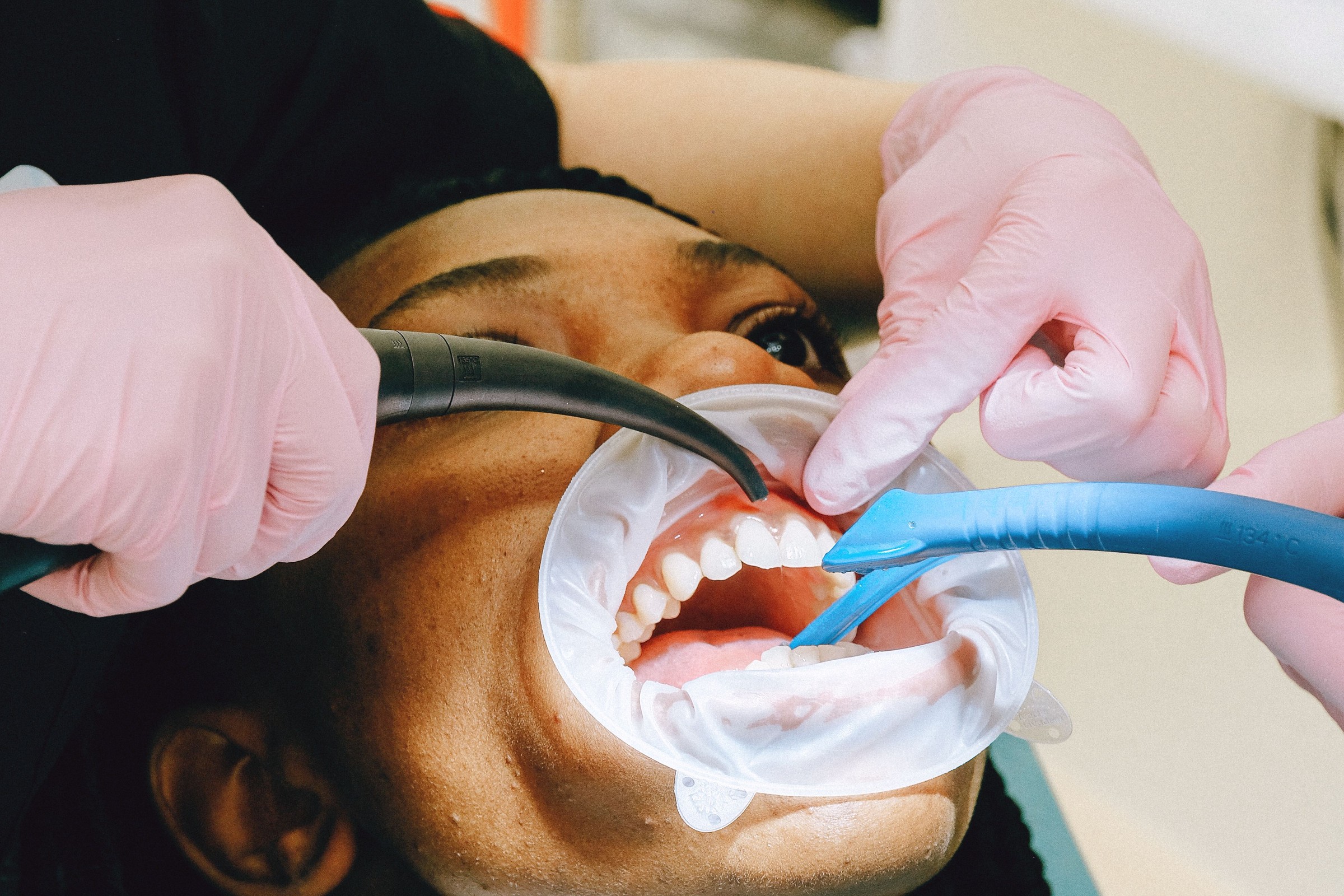
Why are my gums swollen with braces? Usually it’s plaque. Brackets and wires trap food and bacteria along the gumline, and when that plaque sits there for a while the gums turn red and puffy and may bleed when you brush. That’s gingivitis, and it often improves within a couple of weeks of better brushing and flossing. Hormone changes in the teen years, some medications and the pressure of teeth moving can play a part too.
I’m Dr. Clay VanderWall, an orthodontist. Swollen gums are one of the most common things I see during braces, and most of the time they’re very fixable at home.
Plaque is the likely reason. It’s a sticky film of bacteria that builds up on teeth every day, and brushing and flossing normally clear it. Braces make that harder. Brackets create little ledges, the wire blocks your floss, and the strip right next to the gums is easy to miss.
Left in place, plaque inflames the gums. Between the teeth they can look puffy and shiny. The gumline goes red, brushing or flossing makes them bleed, and they may feel tender or give you bad breath. The American Dental Association’s MouthHealthy site explains how gingivitis develops and why it’s reversible when caught early.
Puberty hormones can make gums react more strongly to plaque, so the same amount causes more swelling. It means cleaning matters even more during those years.
Teeth moving through bone can leave the gums a little tender for a while. That usually settles on its own.
In some people the gum tissue thickens and creeps over part of a bracket. Plaque is usually involved, and certain medications make it more likely. Pregnancy, diabetes and some other medicines can affect the gums too, so tell us and your dentist about any health changes.
Better cleaning fixes most cases. Brush after meals and before bed with a soft brush, angling the bristles at the gumline above and below the brackets. Once a day, floss with a threader or super floss, going gently under the gumline. Run an interdental brush around each bracket. A water flosser is worth adding, and our life with braces page recommends one along with regular flossing. For a rinse, use a fluoride mouthwash, or warm salt water when things are sore.
The bleeding usually fades over a week or two of steady cleaning, which means the gums are healing. Please don’t stop flossing because it bleeds at first.
Here’s a list of tools worth keeping on hand during braces.
Gums still swollen after a couple of weeks? Book a visit and we’ll take a look. Call (919) 403-0790 or request a consultation online.
Look closely there. A bit of food like a popcorn hull can get pushed under the gum and leave a tender, puffy patch, so floss gently and rinse with warm salt water. Other times it’s a wire end, or the edge of a band on a back molar, rubbing the same place every time you chew. Orthodontic wax helps until we can adjust it.
If that one area gets worse instead of better over a few days, especially with throbbing pain, get it checked.
Sugary drinks and snacks feed the bacteria behind plaque, and sipping soda or sweet coffee through the day keeps the gums under constant attack. Water between meals, fewer sticky snacks and brushing soon after sweets make a noticeable difference.
Call the office if two weeks of better cleaning hasn’t helped. Call if one spot is very painful or there’s a bump on the gum that looks like a pimple. A wire or band digging into the gum is a reason to call, and so is gum tissue growing over your brackets. With a fever or swelling in your face, call right away. Some of these need your general dentist as well, and we’ll tell you if so.
Our braces FAQ recommends a cleaning and checkup with your general dentist every six months during treatment, and with braces it matters even more. A hygienist can remove hardened plaque you can’t reach, and your dentist can check for early decay around the brackets.
For most people, mild swelling fades within a few weeks of the brackets coming off, once cleaning gets easier. If extra gum tissue stays behind, it can sometimes be reshaped. Our soft tissue laser page describes how gum recontouring can help balance the gumline after treatment, and I’ll tell you whether that may be an option for you.
This is the easiest time to build the habit. It takes a few extra minutes a day at first and saves a lot of trouble later. Younger kids may need a parent’s help at the start.
I’m Dr. Clay VanderWall, and I look after braces patients at our Raleigh, Durham and Cary offices. I earned my DDS at the University of Detroit Mercy School of Dentistry, graduating with honors and joining Omicron Kappa Upsilon, the national dental honor society, and then did a three year orthodontic residency at Albert Einstein Medical Center in Philadelphia. Before private practice, I was a dentist in the US Navy. My bio page has more.
They can make treatment harder and raise the risk of problems.
A little, early on, yes. It should ease as your brushing and flossing get steady. I tell patients to think of the first week or two as the gums getting used to being cleaned properly around brackets, and a bit of pink in the sink during that stretch isn’t a reason to back off.
Gentle pressure, soft brush, same gumline.
In most cases, once plaque is under control or the braces come off.
Our Durham office on Westgate Drive sees families from Hope Valley, Southpoint, Chapel Hill and Hillsborough, and we also have offices in Raleigh and Cary. If your gums are bothering you, bring it up at your next visit, or call us sooner if it’s getting worse.
Book a visit to check your gums and braces. Call (919) 403-0790 or request a consultation online.
Visit VanderWall Orthodontics in Durham
3518 Westgate Dr #405, Durham, NC 27707
Phone: (919) 403-0790
Office hours

220 Horizon Dr #212
Raleigh, NC 27615
Tel: (919) 518-2644
Fax: (919) 518-2634
3518 Westgate Dr #405
Durham, NC 27707
Tel: (919) 403-0790
Fax: (919) 490-6665
1815 Kildaire Farm Rd #C
Cary, NC 27518
Tel: (919) 852-0009
Fax: (919) 518-2634